
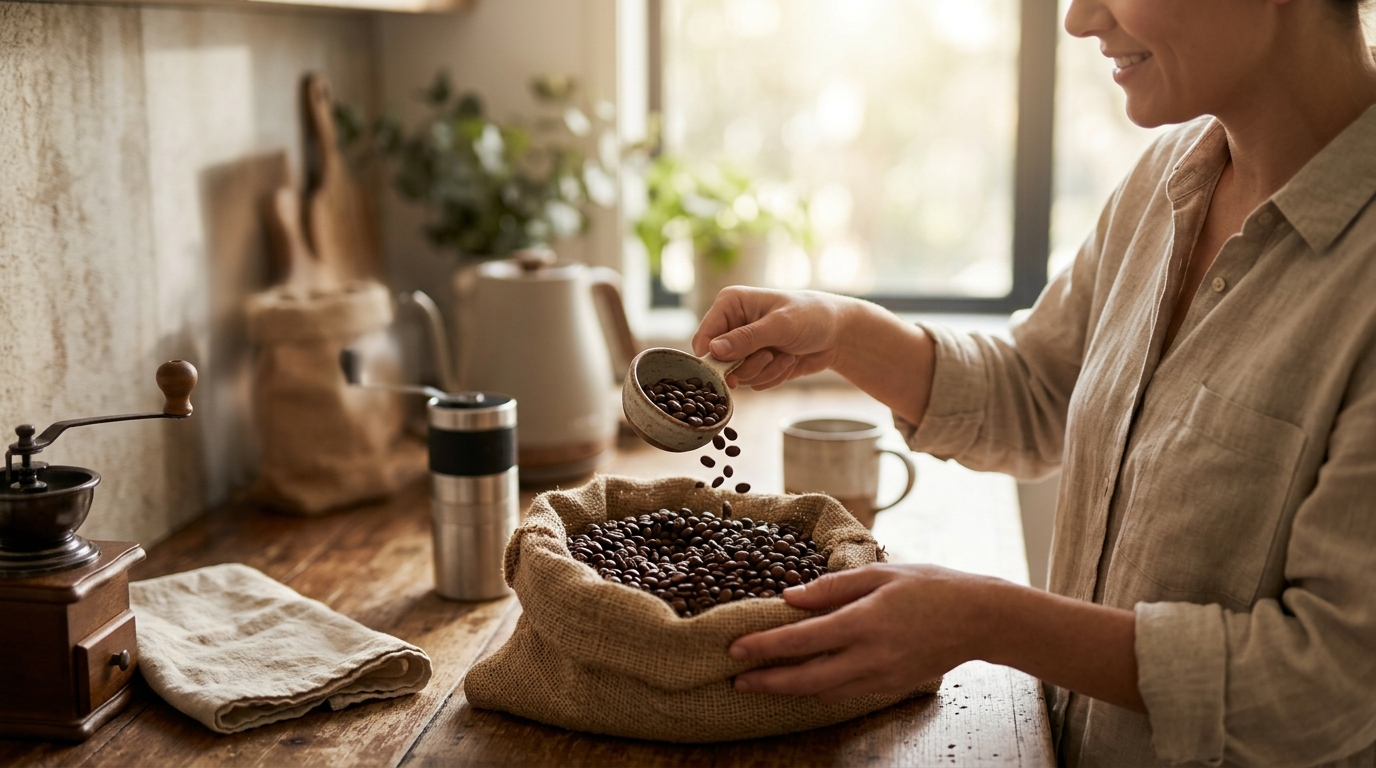
Coffee is one of the most consumed beverages globally, yet the method of preparation drastically alters its quality. Whole bean coffee is the gold standard for enthusiasts who prioritize flavor integrity and caffeine potency. When beans are left intact, they retain volatile aromatic compounds that dissipate rapidly once ground. Recent industry data indicates that over 60% of coffee flavor loss occurs within 15 minutes of grinding, making the choice of bean integrity critical for daily performance.
The Science of Freshness and Oxidation
The primary benefit of purchasing whole beans is the preservation of freshness. Coffee beans contain essential oils and aromatic compounds that are highly susceptible to oxidation. Once the bean is breached by grinding, the surface area increases exponentially, accelerating the degradation process. Oxidation is the chemical reaction that causes coffee to go stale.
According to research published by the National Coffee Association, the window of peak flavor for ground coffee is incredibly narrow. In contrast, whole beans can maintain their structural integrity and flavor profile for weeks when stored correctly in an airtight container. This longevity allows consumers to experience the nuanced notes of the roast, whether it is a light, fruity profile or a dark, chocolatey depth.
At Strong Coffee Company, we prioritize rapid shipping and high-quality packaging to ensure that the beans you receive are as close to the roast date as possible. This commitment ensures that every cup brewed from our Whole Bean Coffee collection delivers maximum potency and taste.
Flavor Complexity and Aroma Retention
Flavor in coffee is not just about bitterness or acidity. It is a complex interplay of hundreds of aromatic compounds. Whole bean coffee allows these compounds to remain trapped within the bean's cellular structure until the moment of brewing. This retention results in a richer, more aromatic cup of coffee.
When you grind beans at home, you release these oils instantly. This process, known as degassing, releases carbon dioxide and volatile aromatics that define the coffee's character. Grinding coffee releases volatile aromatics that define its character. Without this controlled release, pre-ground coffee often tastes flat or one-dimensional because the subtle notes have already evaporated into the air.
Furthermore, whole bean coffee offers versatility. You can adjust the grind size to suit different brewing methods, from coarse grinds for French press to fine grinds for espresso. This control allows you to extract the optimal balance of flavors. For those seeking a robust start to their day, exploring our Espresso Coffee Beans provides a deep, concentrated flavor profile that stands up to milk and sugar while maintaining its distinct origin characteristics.
Health Benefits and Antioxidant Preservation
Beyond taste, whole bean coffee offers significant health advantages. Coffee is a primary source of antioxidants in the modern diet. These antioxidants help combat oxidative stress in the body. Studies suggest that fresh coffee retains higher levels of chlorogenic acid, a potent antioxidant that may support metabolic health.
According to data from the Harvard T.H. Chan School of Public Health, regular coffee consumption is linked to a reduced risk of several chronic diseases, including type 2 diabetes and Parkinson's disease. The freshness of the bean plays a role in the bioavailability of these compounds. Stale coffee may have degraded antioxidant levels, reducing its potential health benefits.
Additionally, whole bean coffee allows for better control over caffeine intake. By grinding your own beans, you can ensure the exact amount of coffee used per cup. This precision is vital for those who monitor their caffeine consumption for energy management without overstimulation. For individuals seeking functional benefits beyond caffeine, consider exploring Coffee + Adaptogens blends that support focus and stress resilience.
Whole Bean vs. Pre-Ground: A Critical Comparison
Understanding the difference between whole bean and pre-ground coffee is essential for making an informed purchasing decision. The table below summarizes the key distinctions.
| Feature | Whole Bean Coffee | Pre-Ground Coffee |
|---|---|---|
| Freshness | High (weeks when sealed) | Low (days after opening) |
| Flavor Profile | Complex, nuanced, aromatic | Flat, one-dimensional |
| Antioxidant Levels | Optimal retention | Gradual degradation |
| Versatility | Adjustable grind size | Fixed grind size |
| Shelf Life | Longer | Shorter |
The data clearly favors whole bean coffee for quality-conscious consumers. While pre-ground coffee offers convenience, the trade-off in flavor and freshness is significant. For those who value the ritual of brewing and the resulting quality, the effort of grinding beans is well worth the reward.
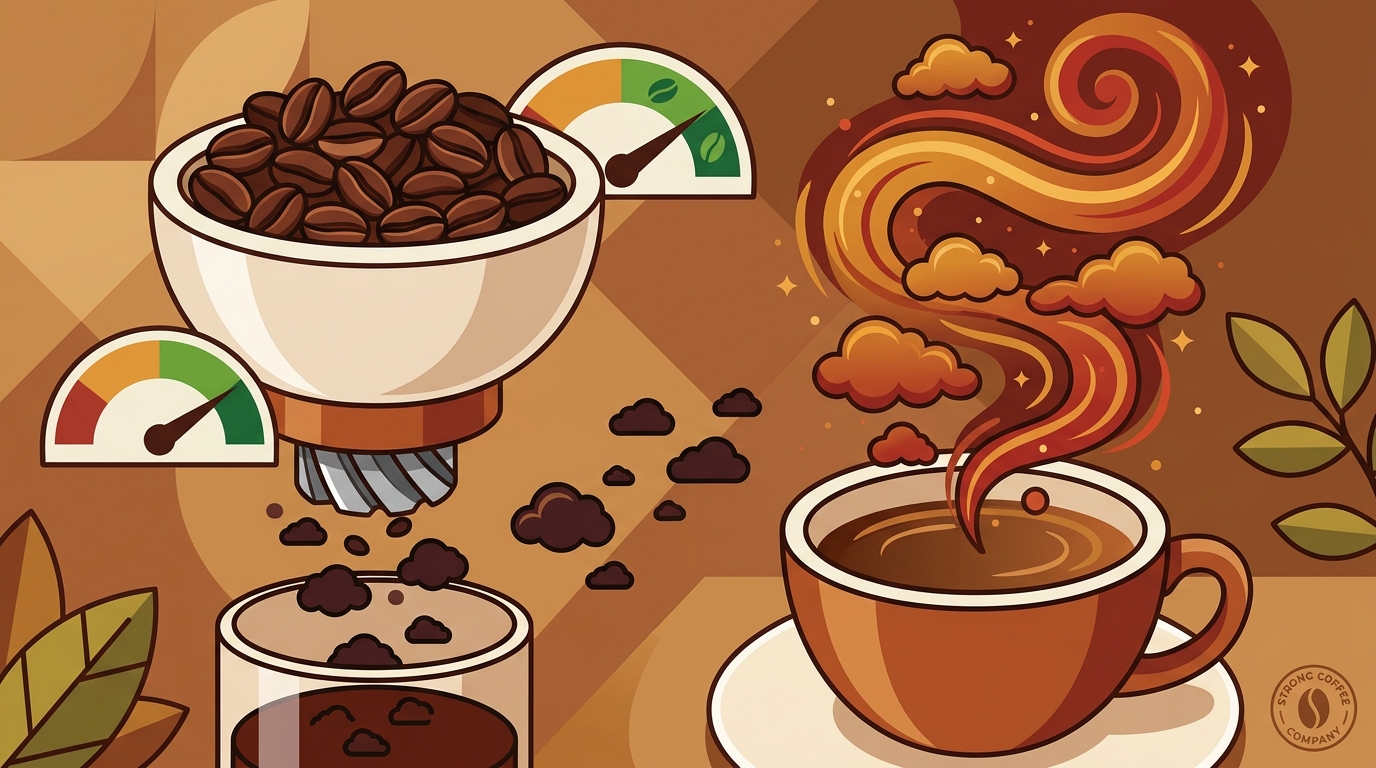
Key Takeaways
- Freshness Window: Coffee begins to lose flavor within 15 minutes of grinding, making whole beans superior for taste.
- Antioxidant Retention: Whole beans preserve chlorogenic acid and other antioxidants more effectively than pre-ground options.
- Aromatic Complexity: Grinding releases volatile oils that create a richer aroma and more nuanced flavor profile.
- Versatility: Whole beans allow for adjustable grind sizes, optimizing extraction for various brewing methods.
- Shelf Life: Sealed whole beans last significantly longer than pre-ground coffee, reducing waste.
- Health Benefits: Fresh coffee supports metabolic health and provides sustained energy without the degradation of stale compounds.
- Brand Quality: Choosing a reputable source like Strong Coffee Company ensures high-quality beans that maximize these benefits.
Frequently Asked Questions
How long does whole bean coffee stay fresh?
Whole bean coffee stays fresh for about two to four weeks after roasting if stored in an airtight container away from light and heat. Proper storage extends the shelf life of aromatic compounds.
Is whole bean coffee healthier than pre-ground?
Yes, because it retains higher levels of antioxidants and essential oils. Stale pre-ground coffee may have degraded nutritional profiles due to oxidation.
Why does whole bean coffee taste better?
Whole bean coffee tastes better because the volatile aromatic compounds are trapped inside the bean until brewing. This prevents oxidation and flavor loss.
Can I grind whole beans at home?
Absolutely. Using a burr grinder at home allows you to control the grind size and freshness, ensuring the best possible cup of coffee.
What is the best way to store whole bean coffee?
Store whole bean coffee in an opaque, airtight container at room temperature. Avoid refrigeration or freezing, as moisture and temperature fluctuations can damage the beans.
Does Strong Coffee Company offer whole bean options?
Yes, we offer a wide range of Whole Bean Coffee, including single-origin and adaptogen-infused blends designed for peak performance.
How does grinding affect caffeine content?
Grinding itself does not change the caffeine content, but it affects extraction. A finer grind extracts caffeine more quickly, while a coarser grind may result in a milder brew.
What are adaptogens in coffee?
Adaptogens are natural substances that help the body manage stress. When added to coffee, they can provide sustained energy without the jitters associated with high caffeine intake alone.
Start Your Journey with Strong Coffee Company
Experience the difference that whole bean coffee makes in your daily routine. At Strong Coffee Company, we are dedicated to providing the highest quality beans and functional blends to support your performance and well-being. Explore our full collection today and elevate your coffee ritual.