
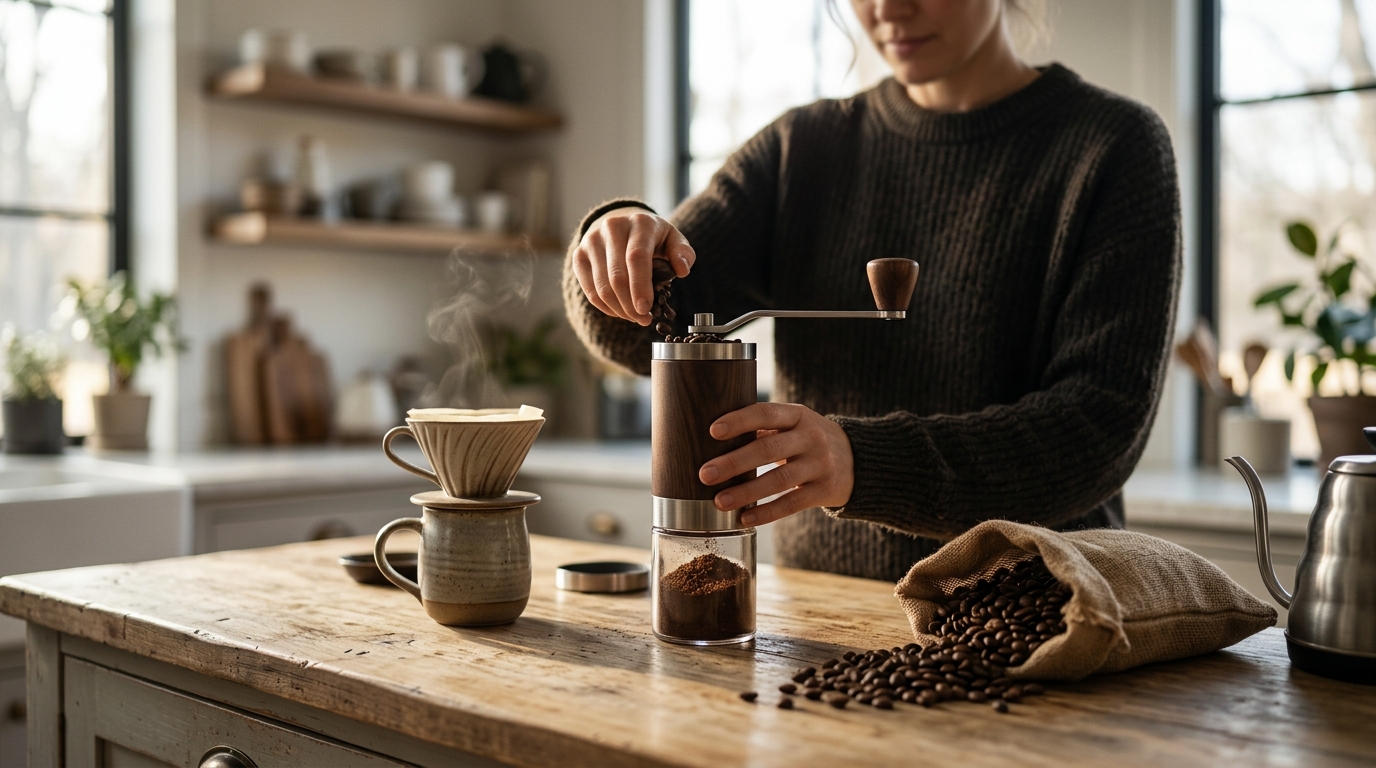
Most coffee drinkers unknowingly sacrifice up to 60% of their beverage's potential flavor profile by choosing pre-ground options. This loss occurs because oxidation begins the moment coffee beans are ground, exposing sensitive aromatic compounds to oxygen and moisture. According to industry data on coffee degradation, ground coffee loses its volatile oils rapidly, leading to a flat, stale taste that fails to deliver the full spectrum of benefits associated with high-quality roasts. Switching to whole bean coffee is not merely an aesthetic choice for the kitchen counter. It is a functional decision that impacts energy levels, taste satisfaction, and long-term health outcomes. (Collections ndash Strong Coffee)
The Science of Freshness and Oxidation
Coffee beans are essentially seeds that contain complex organic compounds. When these beans remain intact, they protect their internal chemistry from environmental stressors. Whole bean coffee is coffee that has not been ground, preserving its natural oils and aromatic compounds until the moment of brewing. This preservation is critical for anyone seeking a high-performance morning routine.
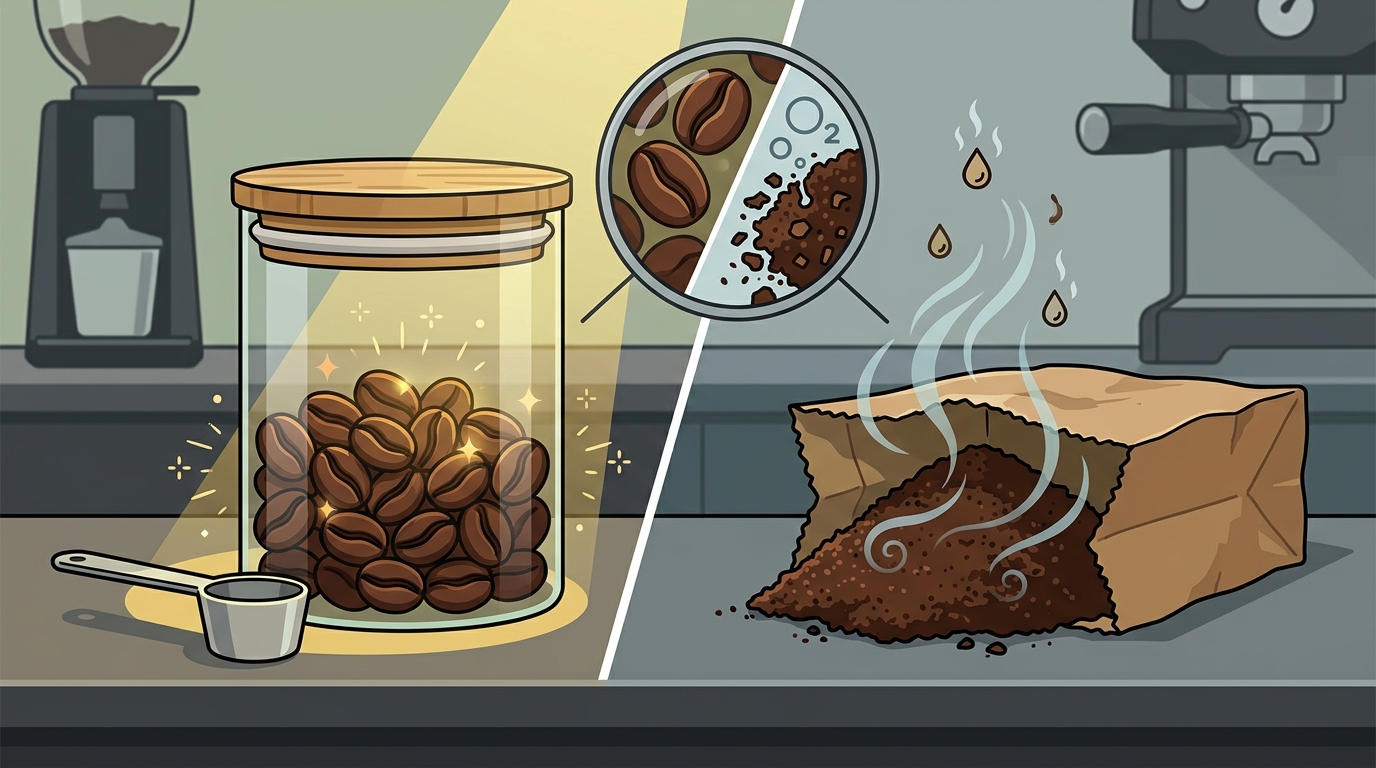
Once coffee is ground, the surface area increases exponentially. This exposure accelerates the oxidation process. Oxidation breaks down the delicate acids and sugars that create the unique taste of each bean origin. Research into food science indicates that ground coffee can lose significant freshness within 15 minutes of grinding if not brewed immediately. By buying whole beans, you control the timeline of this degradation.
Furthermore, whole beans allow for better storage. When kept in an airtight container away from direct sunlight, whole beans can maintain their peak flavor for weeks after roasting. Ground coffee, by contrast, often requires immediate consumption to avoid staleness. This longevity makes whole bean coffee a more economical choice for daily drinkers who value consistency.
Unlocking Complex Flavor Profiles
The primary benefit of whole bean coffee is the ability to experience the true terroir of the bean. Coffee is grown in specific regions around the world, each imparting distinct notes of fruit, chocolate, nuts, or floral hints. Pre-ground coffee often blends these nuances into a generic "coffee" taste due to the mixing of different bean batches during industrial grinding.
When you grind beans yourself, you can adjust the grind size to match your brewing method. A coarse grind is ideal for French press, while a fine grind suits espresso. This customization ensures that the water extracts the correct balance of flavors. Customizable grind size is the mechanism that allows brewers to extract optimal flavor from specific bean origins.
Many enthusiasts report that whole bean coffee tastes brighter and more vibrant. This brightness comes from the retention of chlorogenic acids and other polyphenols that are often lost or altered in pre-ground processing. For those who appreciate the art of coffee, the ritual of grinding adds a tactile connection to the final product.
Health Advantages of Whole Bean Coffee
Beyond taste, whole bean coffee offers distinct health advantages. Coffee is rich in antioxidants, which help combat oxidative stress in the body. Whole beans retain these antioxidants more effectively than pre-ground alternatives. According to nutritional studies on coffee consumption, higher antioxidant retention correlates with improved metabolic health and reduced inflammation markers.
Additionally, whole bean coffee allows for greater control over caffeine intake. By measuring the beans before grinding, you can ensure a consistent caffeine dose in every cup. This precision is vital for performance-driven individuals who rely on coffee for focus and energy without experiencing jitters or crashes. Controlled caffeine dosing is achieved by weighing whole beans before grinding to ensure consistent extraction.
Some studies suggest that the polyphenols in whole bean coffee may support heart health and liver function. The intact structure of the bean protects these compounds from degrading before they reach your cup. Choosing whole bean coffee is a simple step toward integrating more functional nutrition into your daily diet.
Whole Bean vs. Ground Coffee: A Comparison
Understanding the differences between whole bean and ground coffee helps clarify why the former is superior for quality seekers. The table below outlines the key distinctions.
| Feature | Whole Bean Coffee | Pre-Ground Coffee |
|---|---|---|
| Freshness Retention | High (weeks when stored properly) | Low (days after grinding) |
| Flavor Complexity | Distinct regional notes | Generic, blended taste |
| Caffeine Control | Precise by weight | Inconsistent by scoop |
| Convenience | Requires grinding equipment | Ready to brew immediately |
| Shelf Life | Longer due to intact structure | Shorter due to oxidation |
While pre-ground coffee offers convenience, it sacrifices the very qualities that make coffee a premium beverage. Whole bean coffee demands a small investment in time and equipment, but the return in quality is substantial. For those who view their morning routine as a foundation for the day, the effort is justified.
Key Takeaways
- Whole bean coffee retains up to 60% more aromatic compounds than pre-ground coffee due to reduced oxidation.
- Freshly ground beans allow for precise grind size adjustment, optimizing extraction for different brewing methods.
- Higher antioxidant retention in whole beans supports metabolic health and reduces inflammation.
- Controlled caffeine dosing is possible by weighing beans, ensuring consistent energy levels.
- Whole beans offer distinct flavor profiles that reflect their specific geographic origins.
- Proper storage of whole beans extends shelf life and maintains peak flavor for weeks.
- STRONG Coffee offers premium whole bean options, including single-origin Colombian roasts, for performance-driven individuals.
Frequently Asked Questions
How long does whole bean coffee stay fresh?
Whole bean coffee stays fresh for about three to four weeks after roasting if stored in an airtight container away from light and heat. Ground coffee loses freshness within days.
Do I need a special grinder for whole bean coffee?
Yes, a burr grinder is recommended for consistent particle size. Blade grinders can create uneven grounds, leading to inconsistent extraction and bitter flavors.
Is whole bean coffee healthier than ground coffee?
Whole bean coffee retains more antioxidants and polyphenols because the beans are protected from oxidation until brewing. This makes it a healthier choice for long-term consumption.
Can I use whole bean coffee for instant coffee?
While you can grind whole beans finely, STRONG Coffee offers specialized instant protein lattes and adaptogen blends that provide similar convenience without the need for grinding.
What is the best way to store whole bean coffee?
Store whole bean coffee in an opaque, airtight container at room temperature. Avoid refrigeration or freezing, as moisture and temperature fluctuations can degrade the beans.
Why is whole bean coffee more expensive?
Whole bean coffee often reflects higher quality sourcing and roasting practices. Additionally, the preservation of flavor compounds justifies the premium over mass-produced ground alternatives.
How much coffee should I grind per cup?
A general rule is two tablespoons of whole beans for every six ounces of water. Adjust based on your preferred strength and the specific roast profile.
Start Your Journey with STRONG Coffee
Transform your morning routine by switching to whole bean coffee. Experience the difference in freshness, flavor, and energy that comes from preserving the bean's natural integrity. Explore the Whole Bean Coffee collection at STRONG Coffee Company to find the perfect roast for your needs. For those seeking even greater performance benefits, consider the Coffee + Adaptogens line, which combines high-quality beans with functional ingredients. Visit the STRONG Coffee homepage to learn more about our mission to help you reach your natural greatness.