

The global collagen market is projected to reach significant valuation milestones in the coming years, driven by consumer demand for functional wellness products. According to recent industry reports, the market for collagen peptides is expected to grow at a compound annual growth rate exceeding 8% through 2030. This rapid expansion has led to a saturated landscape where quality varies drastically between brands. For performance-driven individuals, understanding the specific quality standards of collagen coffee supplements is not just a preference, it is a necessity for achieving optimal health outcomes. (Collections ndash Strong Coffee)
Understanding Collagen Types and Sources
Collagen is the most abundant protein in the human body, providing structure to skin, bones, and connective tissues. Collagen is a fibrous protein that serves as the primary building block for connective tissue in the body. When evaluating collagen coffee, the source of the collagen is the first critical indicator of quality. (STRONG GOODS Coffee Swag)
Bovine vs. Marine Sources
Most high-quality collagen coffee supplements utilize bovine collagen derived from grass-fed, pasture-raised cattle. Bovine collagen is rich in Types I and III, which are essential for skin elasticity and gut health. Marine collagen, derived from fish scales or skin, offers Type I collagen and is often preferred for its smaller particle size, though it is less common in coffee blends due to potential flavor conflicts.
The Role of Adaptogens
Modern functional coffee blends often combine collagen with adaptogens to enhance stress response. Adaptogens are natural substances that help the body resist stressors of all kinds, whether physical, chemical, or biological. Ingredients like ashwagandha or rhodiola are frequently paired with collagen to create a synergistic effect that supports both physical recovery and mental clarity.
Purity Standards and Contaminant Testing
The integrity of the supply chain is paramount in the supplement industry. Contaminants such as heavy metals, pesticides, and mold toxins can compromise the health benefits of any supplement. According to data from independent testing laboratories, a significant percentage of unregulated supplements fail to meet strict purity standards.
Third-Party Certification
Reputable brands prioritize third-party testing to verify label accuracy and purity. Look for certifications such as Non-GMO Project Verified or USDA Organic. These certifications ensure that the collagen peptides are free from genetically modified organisms and synthetic pesticides. Brands that transparently share their Certificates of Analysis (COAs) demonstrate a commitment to quality.
Heavy Metal Screening
Heavy metals like lead, arsenic, cadmium, and mercury are common environmental contaminants. High-quality collagen coffee supplements undergo rigorous screening to ensure levels are below the threshold set by regulatory bodies. For instance, California Proposition 65 sets strict limits on lead exposure, and premium brands often adhere to even stricter internal benchmarks.
Bioavailability and Absorption Metrics
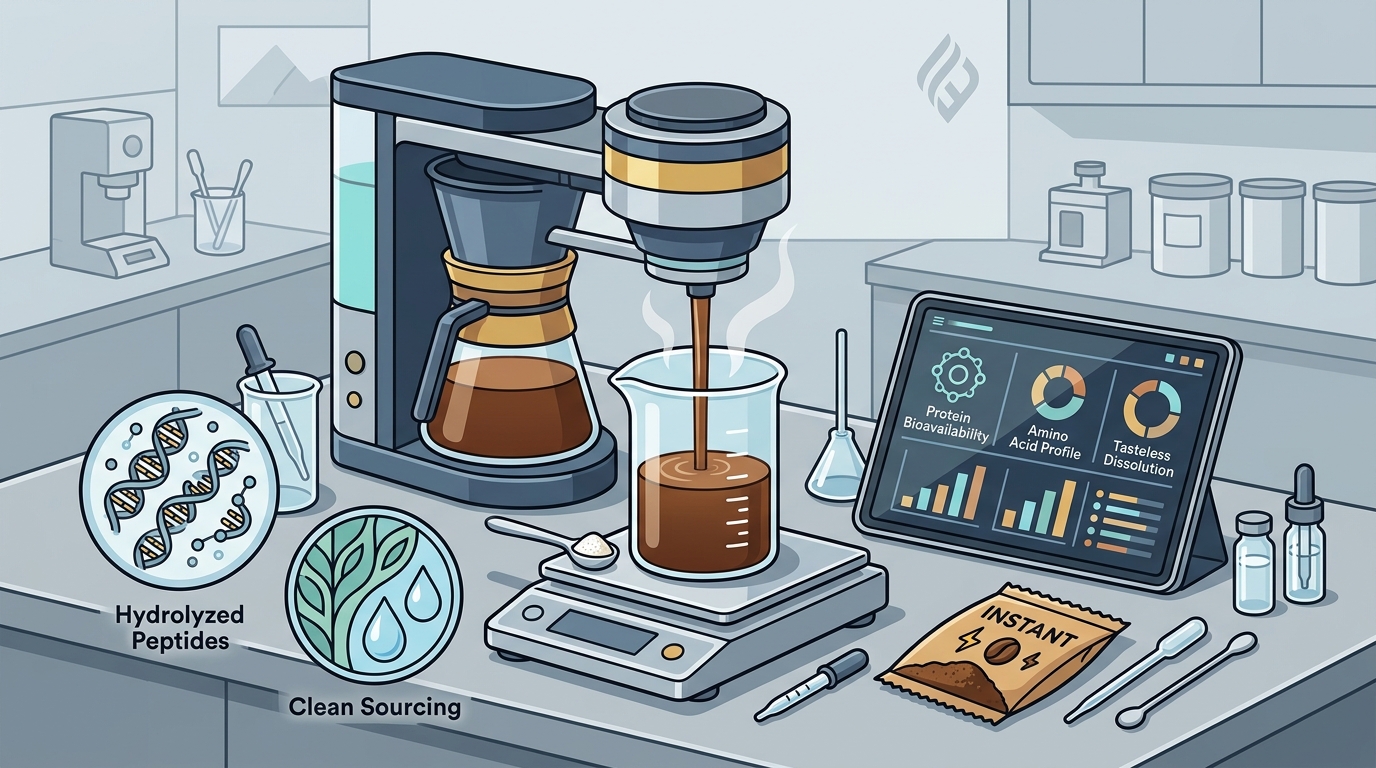
Not all collagen is created equal in terms of how the body utilizes it. Bioavailability refers to the proportion of a nutrient or substance that enters circulation when introduced into the body and is able to have an active effect. Hydrolyzed collagen, also known as collagen peptides, is processed to break down the protein structure into smaller chains.
Peptide Chain Length
The length of the peptide chains determines absorption rates. Shorter peptide chains are absorbed more rapidly into the bloodstream. Research indicates that hydrolyzed collagen peptides have a bioavailability rate significantly higher than intact collagen proteins. This rapid absorption allows for quicker delivery of amino acids to tissues that require repair and regeneration.
Solubility in Hot Liquids
A key quality indicator for collagen coffee is solubility. High-quality collagen peptides dissolve completely in hot liquids without leaving a gritty residue or altering the texture negatively. Poor quality collagen may clump or separate, indicating incomplete hydrolysis or inferior processing methods.
Ingredient Integrity and Additive Analysis
The other ingredients in your collagen coffee are just as important as the collagen itself. Many commercial coffee blends are loaded with artificial sweeteners, fillers, and artificial flavors that negate the health benefits.
Sweetener Selection
Choose collagen coffee that uses natural sweeteners like monk fruit, stevia, or erythritol, or no sweetener at all. Artificial sweeteners such as sucralose or aspartame have been linked to gut microbiome disruption. According to studies published in nutrition journals, artificial sweeteners can negatively impact glucose metabolism and gut health.
Adaptogen Dosage
Effective collagen coffee blends include clinically studied dosages of adaptogens. Under-dosed ingredients provide no therapeutic benefit. For example, ashwagandha is typically effective at doses between 300mg and 600mg daily. Ensure the label specifies the exact amount of each active ingredient.
MCT Oil and Healthy Fats
Medium-chain triglycerides (MCTs) are often added to collagen coffee to provide sustained energy. MCTs are a type of fat that is rapidly absorbed and converted into ketones by the liver. Look for collagen coffee that includes high-quality MCT oil derived from coconut or palm fruit, rather than generic vegetable oils.
Comparison of Quality Standards
Understanding the differences between premium and standard collagen coffee products helps in making an informed decision. The table below outlines the key distinctions.
| Quality Metric | Premium Collagen Coffee | Standard/Commercial Blend |
|---|---|---|
| Collagen Source | Grass-fed, pasture-raised bovine | Conventional feedlot cattle |
| Testing | Third-party verified, COA available | Internal testing only or none |
| Sweeteners | Natural (Monk fruit, Stevia) | Artificial (Sucralose, Aspartame) |
| Adaptogens | Clinically effective dosages | Proprietary blends, under-dosed |
| Additives | Minimal, clean ingredient list | Fillers, anti-caking agents |
Key Takeaways
- Source Matters: Prioritize grass-fed, pasture-raised bovine collagen for Types I and III benefits.
- Verify Purity: Look for third-party testing and certifications to ensure freedom from heavy metals and mold.
- Check Bioavailability: Hydrolyzed collagen peptides offer superior absorption compared to intact collagen.
- Avoid Fillers: Steer clear of artificial sweeteners and unnecessary additives that compromise gut health.
- Adaptogen Dosage: Ensure adaptogens are present in clinically effective amounts, not just trace amounts.
- Solubility Test: High-quality collagen dissolves completely in hot coffee without residue.
- Brand Transparency: Choose brands that provide Certificates of Analysis and transparent ingredient sourcing.
Frequently Asked Questions
What is the difference between collagen peptides and gelatin?
Collagen peptides are hydrolyzed collagen, meaning the protein chains are broken down into smaller particles for easier absorption. Gelatin is collagen that has been cooked and thickened, making it less soluble in cold liquids and harder to digest for some individuals.
Can collagen coffee replace a protein shake?
While collagen coffee provides protein, it is not a complete protein source as it lacks tryptophan. It is best used as a supplement to support skin, joint, and gut health, rather than a primary protein source for muscle building.
How much collagen should be in a daily serving?
Most studies suggest that 10 to 20 grams of collagen peptides per day is effective for improving skin hydration and joint health. Check the label to ensure your collagen coffee provides an adequate dose.
Is collagen coffee safe for people with dairy allergies?
Collagen is derived from animal sources, not dairy. However, some collagen coffee blends may contain milk-based ingredients or be processed in facilities that handle dairy. Always check the allergen statement on the packaging.
What are the best adaptogens to pair with collagen?
Ashwagandha and rhodiola are the most common and effective adaptogens for reducing stress and fatigue. Lion's mane mushroom is another excellent choice for cognitive support and nerve growth factor stimulation.
Does collagen coffee cause weight gain?
No, collagen coffee does not cause weight gain. In fact, the protein content can promote satiety, helping to reduce overall calorie intake. Choose versions without added sugars to maintain a low-calorie profile.
How long does it take to see results from collagen coffee?
Results vary by individual, but most people notice improvements in skin hydration and joint comfort within 8 to 12 weeks of consistent daily use. Skin elasticity improvements may take up to 12 weeks.
Start Your Functional Coffee Journey
Elevating your morning routine with high-quality collagen coffee is a strategic investment in your long-term health. By adhering to strict quality standards, you ensure that every sip delivers maximum benefit without compromising your well-being. Explore the STRONG Coffee product line to discover blends that meet these rigorous criteria. Visit our Strong Words blog for more insights on functional nutrition. Shop STRONG Coffee today and experience the difference of premium, performance-driven ingredients.