
Functional coffee is rapidly becoming a staple in the pre-workout routines of high performers, but improper usage can negate its benefits. According to recent industry data, over 60% of consumers report suboptimal energy levels because they fail to align their caffeine intake with their training intensity. This guide addresses the critical errors that prevent athletes from achieving their natural greatness. (Collections ndash Strong Coffee)
Ignoring Hydration Needs
Caffeine is a known diuretic, which means it increases urine production and can lead to dehydration if fluid intake is not managed. Dehydration significantly reduces muscle strength and endurance during high-intensity training. When you consume instant protein coffee, you are introducing a potent stimulant that demands extra water to maintain cellular function. (Accessories Strong Coffee Company)
Many users drink their morning latte and then skip water until lunch. This is a critical error. You must drink at least 16 ounces of water alongside your coffee to offset the diuretic effect. Proper hydration ensures that the electrolytes in your body remain balanced, allowing for better muscle contractions and reduced risk of cramping. (Apparel Hats Strong Coffee)
For those engaging in intense physical activity, consider pairing your coffee with an electrolyte supplement. This combination supports sustained energy levels without the dreaded afternoon crash. Always monitor your urine color as a simple indicator of your hydration status throughout the day.
Incorrect Mixing Techniques
Instant protein coffee contains specialized ingredients like collagen peptides and MCT oil. These components do not dissolve as easily as traditional sugar or creamer. Clumping not only ruins the texture but can also lead to uneven distribution of nutrients, meaning you might not get the full dose of protein in every sip.
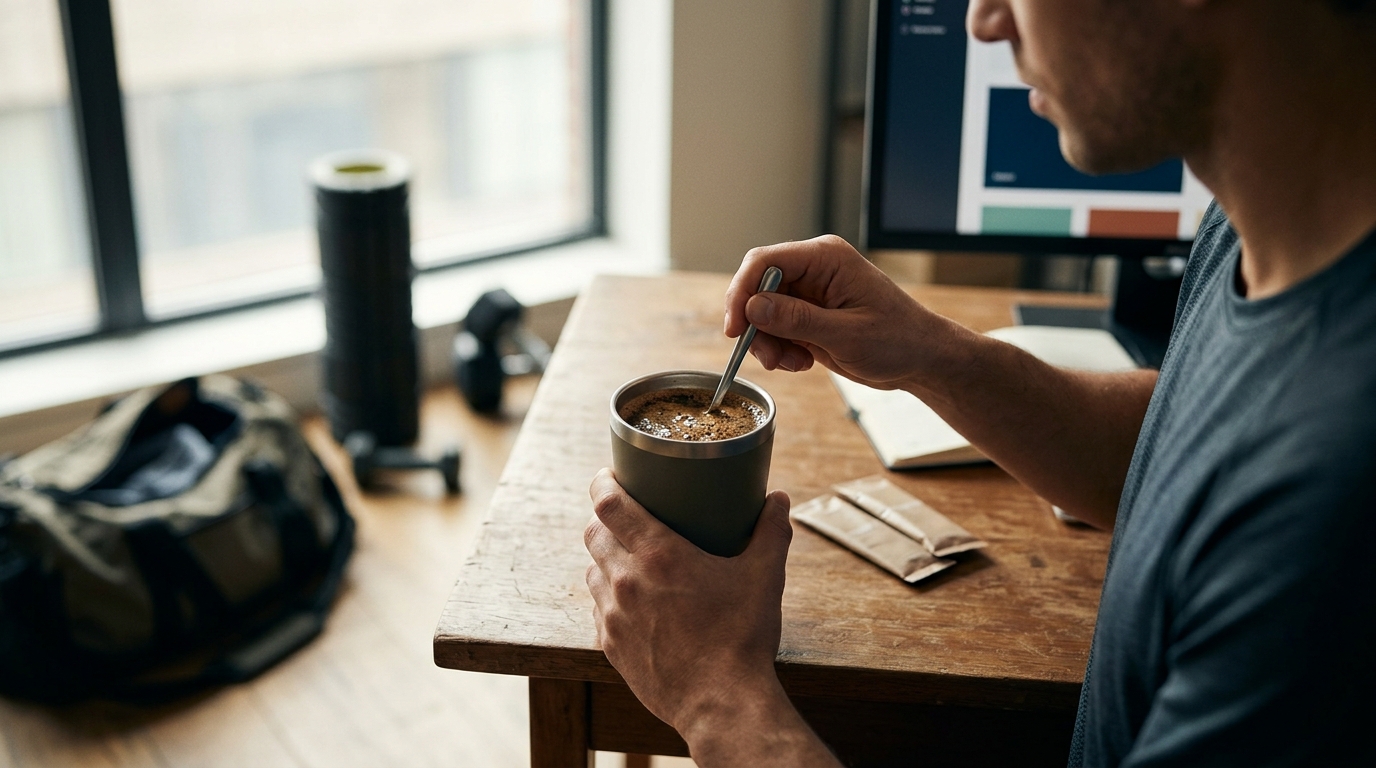
Using a standard spoon is often insufficient for breaking down these dense powders. Instead, utilize a high-quality electric frother or a dedicated shaker bottle. The rapid agitation created by these tools ensures a smooth, creamy consistency that is easy to digest. Digestive comfort is paramount when consuming supplements before a workout.
Water temperature also plays a role in solubility. While cold water works, warm water helps activate the fats in MCT oil more effectively. This process, known as emulsification, allows your body to absorb the energy sources more efficiently. Avoid using boiling water, as it can degrade some of the delicate adaptogens and nootropics included in the formula.
Poor Timing of Consumption
The timing of your pre-workout coffee is just as important as the dosage. Consuming it too close to your workout can cause gastrointestinal distress, while drinking it too early may result in the caffeine wearing off before your session begins. The peak effects of caffeine typically occur 30 to 60 minutes after ingestion.
For optimal performance, aim to drink your functional coffee approximately 45 minutes before your training session. This window allows your body to absorb the caffeine and adaptogens, leading to improved focus and reduced perception of effort during exercise. This strategy is particularly effective for strength training and high-intensity interval training.
Avoid consuming functional coffee within two hours of bedtime. Caffeine has a half-life of about five hours, meaning half of that stimulant is still active in your system long after you finish your cup. Poor sleep quality directly impacts muscle recovery and hormonal balance, undermining your fitness efforts.
Overlooking Adaptogen Synergy
Adaptogens are herbs that help the body resist stressors of all kinds, whether physical, chemical, or biological. Common adaptogens in functional coffee include ashwagandha and rhodiola. These ingredients work synergistically with caffeine to provide a smoother, more sustained energy release compared to regular coffee alone.
Many users treat their protein coffee as a simple energy drink and ignore the adaptogenic benefits. This oversight means missing out on the cognitive clarity and stress reduction that these compounds provide. Adaptogens help regulate cortisol levels, which can spike during intense physical exertion.
Understanding the specific adaptogens in your coffee allows you to tailor your routine. For example, if you are feeling particularly stressed, an ashwagandha-rich blend may offer better calming effects. If you need mental sharpness, look for formulas with nootropics like L-theanine. L-theanine is an amino acid that promotes relaxation without drowsiness, balancing the jittery effects of caffeine.
Neglecting Recovery Nutrition
While instant protein coffee provides a boost of collagen and protein, it is not a complete meal replacement for post-workout recovery. Collagen supports joint health and connective tissue, but it lacks the complete amino acid profile required for maximum muscle protein synthesis. Relying solely on coffee for post-workout nutrition can hinder muscle repair.
After your workout, prioritize a balanced meal containing complete proteins, complex carbohydrates, and healthy fats. This combination replenishes glycogen stores and provides the building blocks necessary for muscle growth. The collagen from your morning coffee will support your joints, but the muscle tissue needs more robust nutritional input.
Consider using your protein coffee as a pre-workout tool rather than a post-workout solution. This approach ensures you have the energy to train effectively and the nutritional foundation to recover properly. Consistency in both your training and nutrition is key to achieving long-term fitness goals.
Product Comparison: Choosing the Right Formula
Selecting the correct instant protein coffee depends on your specific fitness goals and dietary preferences. Below is a comparison of popular options available from Strong Coffee Company.
| Product Name | Key Ingredients | Best For | Price Range |
|---|---|---|---|
| Collagen Latte Vanilla | Collagen, MCT Oil | Daily Energy & Skin Health | $32.40+ |
| Coffee Booster with Nootropics | Nootropics, Adaptogens | Mental Focus & Clarity | $24.65+ |
| Matcha Collagen Latte | Matcha, Collagen | Antioxidant Boost | $32.40+ |
| Coffee with Adaptogens | Adaptogenic Herbs | Stress Management | $25.92+ |
Key Takeaways
- Hydration is critical when consuming caffeine to prevent dehydration and maintain performance.
- Use a frother or shaker to ensure proper mixing of collagen and MCT oil.
- Consume functional coffee 45 minutes before your workout for peak energy.
- Adaptogens like ashwagandha help manage stress and cortisol levels during training.
- Collagen supports joints but does not replace the need for complete protein post-workout.
- Avoid late-day consumption to protect sleep quality and recovery.
- Consistency in usage yields the best results for long-term health and fitness.
Frequently Asked Questions
Can I drink instant protein coffee every day?
Yes, daily consumption is safe and beneficial for most people. It provides a consistent source of energy and nutrients. However, it is important to monitor your total caffeine intake from all sources to avoid overstimulation.
Does collagen coffee help with muscle recovery?
Collagen supports connective tissue health, which is vital for joint stability. While it aids in recovery, it does not provide the complete amino acids needed for muscle repair. Pair it with a protein-rich meal after your workout.
How does L-theanine work with caffeine?
L-theanine promotes relaxation and reduces anxiety. When combined with caffeine, it smooths out the energy spike, providing a calm focus. This synergy is ideal for workouts requiring precision and mental clarity.
Is instant protein coffee suitable for intermittent fasting?
Plain black coffee is generally considered fasting-friendly. However, instant protein coffee contains calories from collagen and MCT oil. If strict fasting is your goal, check the calorie count and consider consuming it during your eating window.
What is the best time to take pre-workout coffee?
The optimal time is 30 to 60 minutes before exercise. This allows caffeine levels to peak in your bloodstream, enhancing endurance and strength during your session.
Can I mix protein coffee with milk?
Yes, you can mix it with dairy or plant-based milk. However, adding milk may slow down the absorption of caffeine slightly. For faster energy, try mixing it with water or a small amount of milk.
Are there any side effects of over-caffeination?
Excessive caffeine can cause jitteriness, anxiety, and digestive issues. It is important to start with a lower dose and assess your tolerance. Listen to your body and adjust accordingly.
Start Your Performance Journey Today
Avoiding these common mistakes will transform your workout routine and enhance your overall health. Explore the full range of functional coffee products designed to support your fitness goals. Visit Strong Coffee Company to find the perfect blend for your lifestyle.