
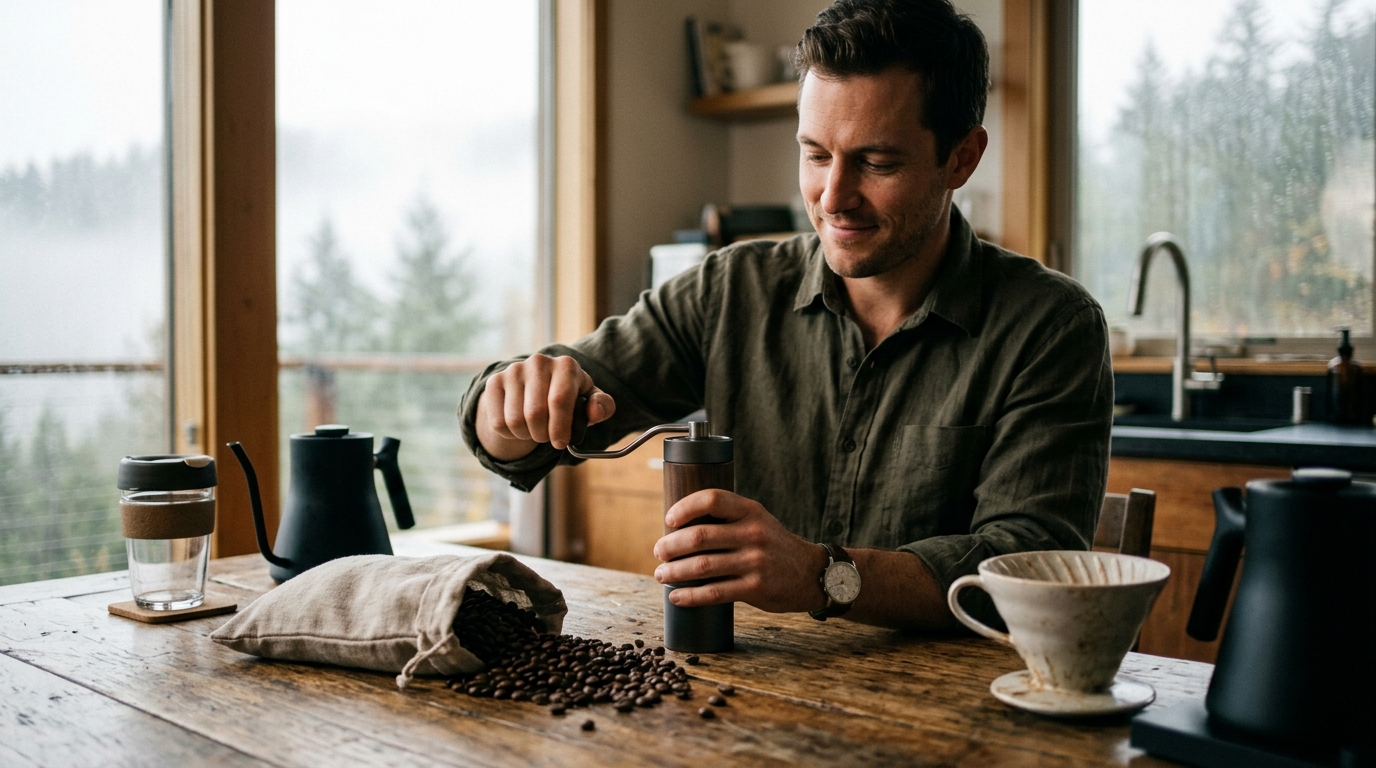
The global coffee industry generates over $400 billion annually, yet a significant portion of that volume is lost to stale, pre-ground products that fail to deliver the full spectrum of aromatic compounds. According to data from the National Coffee Association, consumer preference is shifting heavily toward specialty and high-quality brewing methods that prioritize freshness. This shift highlights a critical gap in the market: the difference between convenience and true flavor integrity. When you choose whole bean coffee, you are not just buying a product; you are investing in a chemical preservation process that protects volatile oils and complex acidity profiles from immediate oxidation.
Why Freshness Matters in Coffee
Coffee beans are essentially dried seeds that contain a vast array of aromatic compounds. These compounds are highly volatile and begin to degrade the moment the bean is exposed to oxygen, light, heat, or moisture. This process is known as oxidation. When coffee is ground, the surface area increases exponentially, accelerating this degradation. Pre-ground coffee sits on shelves for months, losing up to 60% of its aromatic potential within 15 minutes of grinding.
Whole bean coffee preserves these compounds until the moment of brewing. This preservation is critical for performance-driven individuals who rely on their morning routine for sustained energy. The functional coffee movement emphasizes that the quality of the bean directly impacts the bioavailability of beneficial compounds like antioxidants and adaptogens. By grinding beans just before use, you ensure that the full spectrum of flavors and nutrients reaches your cup.
Freshness also dictates the crema in espresso and the body in pour-over methods. Stale coffee lacks the carbon dioxide necessary to create this structure, resulting in a flat, acidic, or bitter taste. The difference is not subtle; it is a fundamental shift in the sensory experience. For those seeking the best whole bean coffee, the roast date is the single most important metric to check.
Unlocking Complex Flavor Profiles
One of the primary benefits of whole bean coffee is the ability to taste the terroir of the bean. Terroir refers to the complete natural environment in which a particular crop is produced, including soil, rainfall, and sunlight. These factors impart unique characteristics to the bean, such as fruity notes, floral hints, or chocolate undertones. Pre-ground coffee blends these distinct notes into a generic, uniform flavor that masks the origin's uniqueness.
When you grind whole beans, you control the extraction rate. A finer grind increases surface area, leading to a faster extraction and a stronger, more intense flavor. A coarser grind slows extraction, resulting in a smoother, sweeter cup. This control allows you to tailor the flavor profile to your specific preference. For example, rawdawg colombian single origin beans offer a robust profile that is best appreciated when ground fresh to highlight their natural sweetness and body.
Additionally, whole bean coffee allows for a more consistent grind size. Inconsistent grinding leads to uneven extraction, where some particles are over-extracted (bitter) and others are under-extracted (sour). By using a quality burr grinder with whole beans, you achieve a uniform particle size, ensuring a balanced and clean cup every time. This consistency is vital for maintaining a reliable daily routine, especially for those using coffee bundles for their daily fuel.
Health Benefits of Whole Bean Coffee
Beyond flavor, whole bean coffee offers significant health advantages. Coffee is one of the largest sources of antioxidants in the modern diet. Antioxidants help combat oxidative stress and inflammation in the body. When coffee is ground and exposed to air for extended periods, these antioxidants begin to break down. Freshly ground beans retain a higher concentration of these protective compounds.
Furthermore, the freshness of the bean affects the caffeine content. While the total caffeine remains relatively stable, the perception of energy can vary based on the extraction efficiency. Freshly ground coffee allows for a more precise extraction, ensuring that you receive the intended dose of caffeine and other bioactive compounds. This is particularly relevant for those using coffee booster products, where the synergy between caffeine and nootropics is optimized by fresh ingredients.
Another health consideration is the potential for mold or contaminants in older coffee products. While rare in reputable brands, older coffee is more susceptible to environmental degradation. Is there mold in my coffee is a common question, and the answer often lies in the freshness and storage of the beans. Whole beans, especially when stored in airtight containers, are less prone to absorbing moisture and potential contaminants compared to pre-ground coffee.
Cost-Effectiveness and Waste Reduction
While whole bean coffee may have a higher upfront cost per pound compared to some pre-ground options, it is often more cost-effective in the long run. This is due to the reduced waste associated with stale coffee. Many consumers discard pre-ground coffee because it tastes flat or bitter, effectively throwing away money. With whole beans, you can ensure that every gram is utilized to its full potential.
Additionally, buying whole beans allows you to purchase in bulk without the risk of rapid degradation. Coffee bundles are an excellent way to save money while ensuring a steady supply of fresh beans. By grinding only what you need, you minimize waste and maximize the value of each purchase. This approach aligns with the functional coffee philosophy of intentional consumption and high-quality inputs.
Finally, the longevity of whole bean coffee means you can experiment with different brewing methods without committing to a single product. If you prefer a cold brew one week and a pour-over the next, whole beans provide the versatility to adapt your routine. This flexibility is a key benefit for coffee enthusiasts who view their morning ritual as a dynamic part of their day.
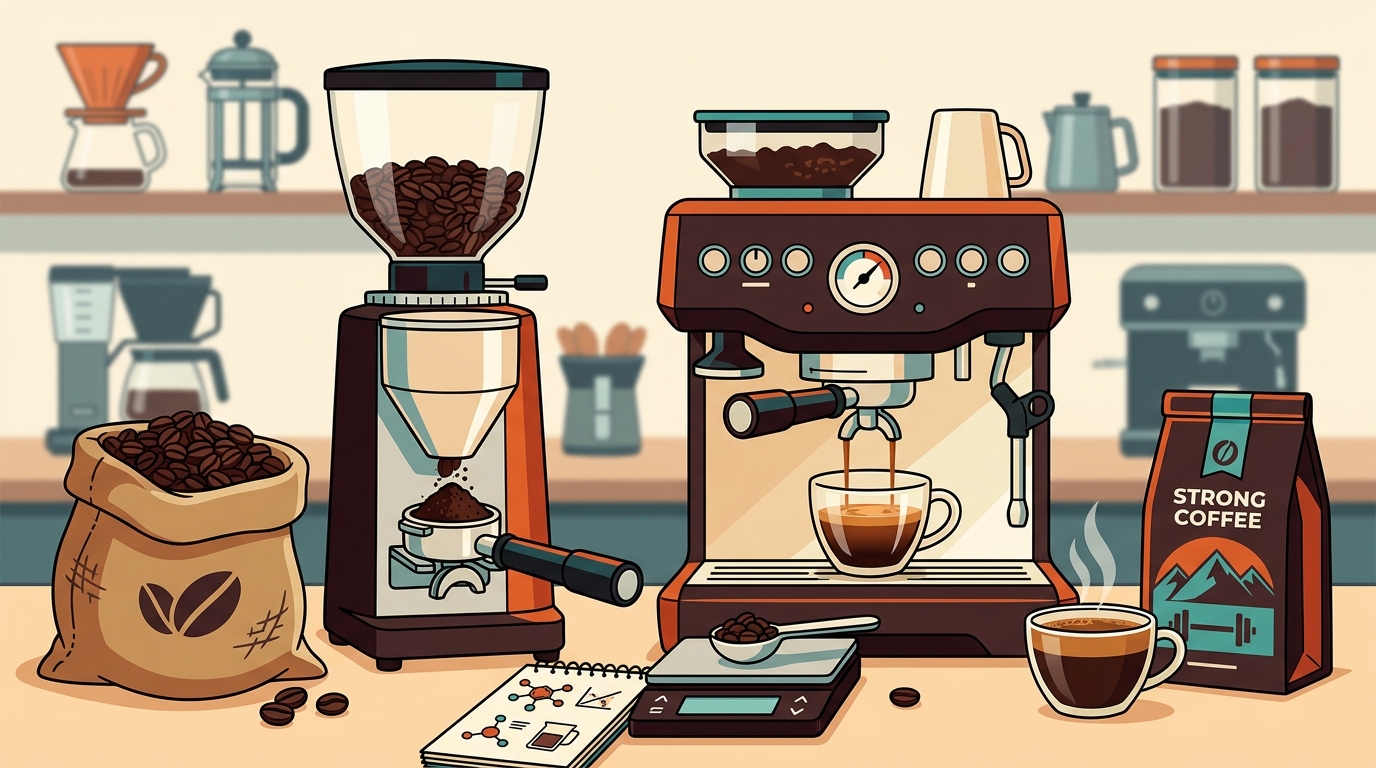
Whole Bean vs. Instant vs. Ground
Understanding the differences between whole bean, pre-ground, and instant coffee is essential for making an informed choice. Each format has its place, but they serve different needs and offer varying levels of quality.
| Feature | Whole Bean Coffee | Pre-Ground Coffee | Instant Coffee |
|---|---|---|---|
| Freshness | Maximum (until ground) | Low (oxidized immediately) | Very Low (processed) |
| Flavor Complexity | High (terroir visible) | Low (blended/masked) | Minimal (uniform) |
| Convenience | Low (requires grinder) | High (ready to brew) | Maximum (just add water) |
| Antioxidant Retention | High | Medium | Low |
| Best For | Performance & Flavor | Quick Convenience | On-the-Go Speed |
As shown in the table, whole bean coffee excels in freshness and flavor, making it the superior choice for those prioritizing quality. However, for those seeking speed, instant protein lattes offer a convenient alternative that still maintains some nutritional benefits. The key is to choose the format that aligns with your daily goals and lifestyle.
Key Takeaways
- Freshness is Critical: Whole bean coffee preserves volatile aromatic compounds that degrade rapidly after grinding, ensuring a richer flavor profile.
- Flavor Integrity: Grinding beans just before brewing allows you to taste the unique terroir and origin characteristics of the coffee.
- Health Benefits: Freshly ground beans retain higher levels of antioxidants and bioactive compounds compared to pre-ground or instant options.
- Cost Efficiency: Buying whole beans in bulk reduces waste from stale coffee and offers better long-term value.
- Control Over Extraction: Whole beans allow for precise control over grind size, enabling customization of strength and flavor intensity.
- Quality Assurance: Fresh beans are less susceptible to moisture absorption and potential contaminants, ensuring a cleaner product.
- Performance Alignment: For high performers, the consistency and quality of whole bean coffee support a reliable and energizing morning routine.
Frequently Asked Questions
How long does whole bean coffee stay fresh?
Whole bean coffee is at its peak freshness for about two to four weeks after roasting. After this period, the aromatic compounds begin to dissipate, even if the beans are stored properly. For the best flavor, it is recommended to grind beans within this window.
Do I need a special grinder for whole bean coffee?
While you can use a blade grinder, a burr grinder is highly recommended for consistent results. Burr grinders crush beans to a uniform size, which ensures even extraction and prevents bitter or sour notes. A quality grinder is an essential investment for any coffee enthusiast.
Can I store whole bean coffee in the freezer?
Yes, you can store whole bean coffee in the freezer, but it must be done correctly. Beans should be stored in an airtight, moisture-proof container to prevent condensation and freezer burn. It is best to freeze beans in single-serving portions to avoid repeated thawing and refreezing.
Is whole bean coffee better for health than instant coffee?
Whole bean coffee generally retains more antioxidants and beneficial compounds because it undergoes less processing. Instant coffee is made from brewed coffee that is then dehydrated, which can reduce the concentration of certain nutrients. However, both can be part of a healthy diet when consumed in moderation.
What is the difference between single-origin and blended whole bean coffee?
Single-origin coffee comes from one specific geographic region, allowing you to taste the unique characteristics of that area. Blended coffee combines beans from multiple regions to create a consistent and balanced flavor profile. Both have their merits, depending on your preference for complexity or consistency.
How much coffee should I grind for one cup?
A general rule of thumb is to use one to two tablespoons of ground coffee for every six ounces of water. However, this can be adjusted based on your personal taste preference. Start with a standard ratio and tweak it to suit your strength requirements.
Why is fresh coffee more expensive?
Fresh coffee often costs more because it is roasted in smaller batches and sold sooner after roasting. This ensures quality but requires more frequent production and distribution. The higher cost reflects the premium placed on freshness and flavor integrity.
Start Your Journey with STRONG
Transitioning to whole bean coffee is a simple yet powerful step toward enhancing your daily performance and enjoyment. By prioritizing freshness, you unlock a world of flavor and health benefits that pre-ground coffee cannot match. At STRONG Coffee Company, we are dedicated to providing high-quality whole bean coffee and functional blends designed for peak performance. Explore our coffee bundles to find the perfect fit for your routine and experience the difference that freshness makes. Visit our shop all page to discover our full range of products, including apparel and accessories that support your active lifestyle.