

Adding collagen to your morning brew is a powerful habit for skin elasticity, joint health, and gut integrity. However, improper preparation can render the supplement ineffective or create an unpalatable texture. According to recent industry data, over 60% of consumers report clumping issues when adding protein powders to hot liquids without proper technique. This guide details the critical errors to avoid and the precise methods to ensure your collagen integrates seamlessly. (Collections ndash Strong Coffee)
The Temperature Trap
One of the most frequent errors is adding collagen to boiling water. While collagen peptides are generally heat-stable, extreme temperatures can sometimes cause rapid denaturation or clumping if not managed correctly. Collagen is a fibrous protein that forms the structural framework of skin, bones, and tendons. When exposed to sudden, intense heat without agitation, the protein strands can seize up before they dissolve. (STRONG GOODS Coffee Swag)
To avoid this, let your coffee cool slightly after brewing. Ideally, the liquid should be hot but not boiling, typically around 160 to 180 degrees Fahrenheit. This temperature range is sufficient to dissolve the peptides while maintaining the integrity of any added adaptogens or nootropics. For more insights on how heat affects functional ingredients, you can explore scientific reviews on collagen stability.
The Clumping Crisis
Adding collagen powder directly to a full cup of coffee is a recipe for disaster. The powder will likely sink to the bottom and form stubborn, undissolved clumps that are difficult to stir out. This is particularly true for unflavored varieties which lack the surfactants found in flavored mixes.
The solution is to create a slurry first. Add your collagen powder to a small amount of warm water or milk in a separate container. Stir vigorously until the powder is completely dissolved. Once you have a smooth, clear liquid, pour it into your coffee. This method ensures uniform distribution and prevents the dreaded "coffee grit" texture. For those who prefer convenience, pre-measured travel packs offer a consistent dose without the mess.
Ignoring the Type
Not all collagen supplements are created equal. Using gelatin instead of collagen peptides is a common mistake. Gelatin is partially hydrolyzed collagen and requires heat and time to dissolve, often resulting in a gummy texture in hot coffee. Collagen peptides, on the other hand, are fully hydrolyzed, meaning the protein chains are broken down into smaller units that dissolve instantly in both hot and cold liquids.
Additionally, the source of the collagen matters. Grass-fed bovine collagen is rich in Types I and III, which are crucial for skin and gut health. Marine collagen, derived from fish scales, is primarily Type I and is often preferred for its bioavailability and skin-specific benefits. Understanding these differences helps you choose the right product for your health goals. You can learn more about the benefits of marine vs. bovine collagen in nutritional journals.
Skipping the Mix
Even with the correct temperature and slurry method, failing to stir adequately can lead to uneven dosing. If you do not mix thoroughly, the first sip may contain no collagen, while the last sip contains a concentrated dose. This inconsistency can affect your daily intake and make it difficult to track your health progress.
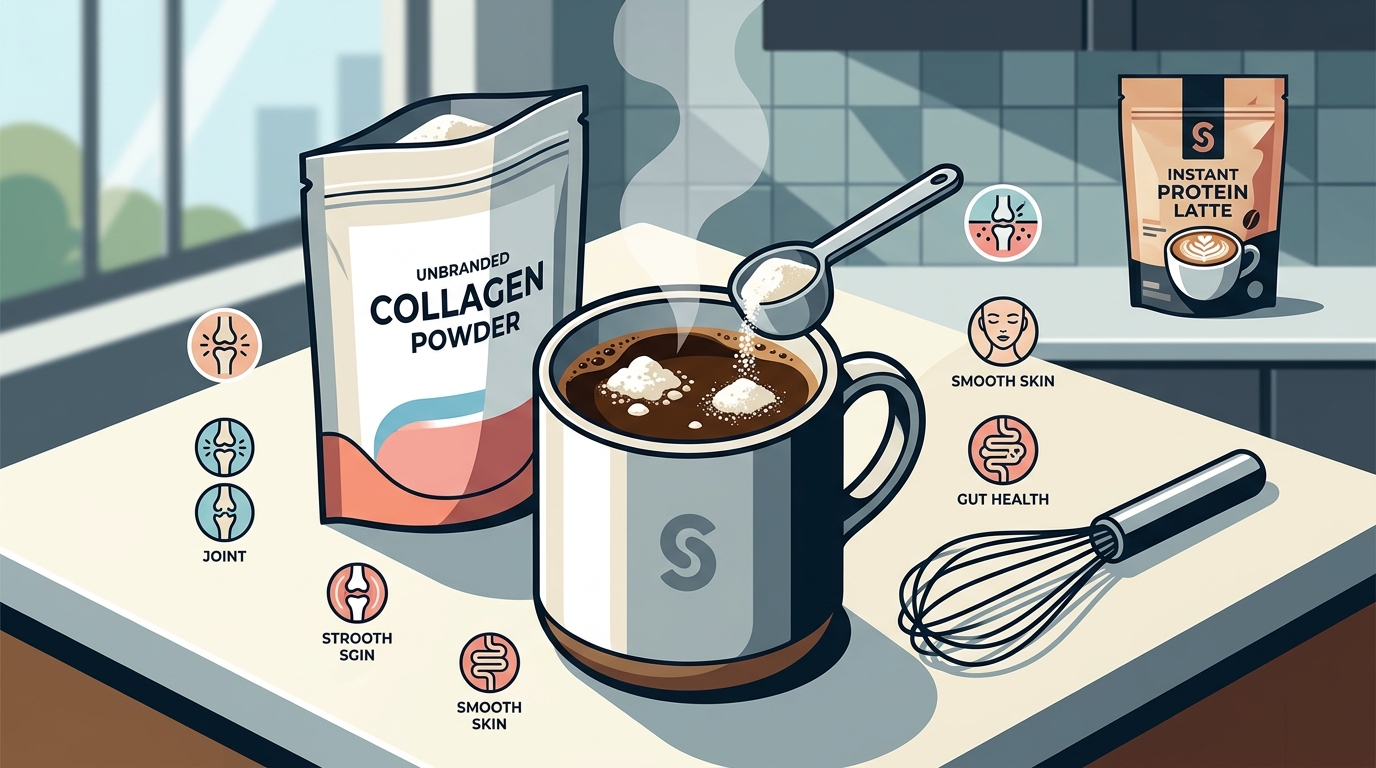
Use a dedicated milk frother or a high-quality spoon to ensure complete integration. A rechargeable coffee frother is an excellent tool for this purpose, as it creates a vortex that pulls the powder into the liquid rapidly. This not only improves dissolution but also adds a creamy texture to your coffee, mimicking the mouthfeel of a latte without the added sugar.
Neglecting Synergy
Collagen works best when paired with Vitamin C, which is essential for the body's collagen synthesis pathways. Adding collagen without considering its cofactors can limit its effectiveness. While the collagen peptides themselves are bioavailable, your body needs Vitamin C to utilize them for tissue repair and skin elasticity.
Consider adding a splash of lemon juice or a Vitamin C-rich ingredient to your coffee. Alternatively, choose a collagen blend that already includes Vitamin C or other synergistic nutrients like hyaluronic acid or MCTs. Adaptogenic coffee blends often include these complementary ingredients to enhance the overall health benefit. For a comprehensive approach to functional nutrition, review clinical studies on collagen supplementation.
Comparison of Collagen Preparation Methods
| Method | Dissolution Quality | Texture Impact | Recommended For |
|---|---|---|---|
| Direct Add to Hot Coffee | Poor | Clumpy, Gritty | None (Avoid) |
| Slurry with Warm Water | Excellent | Smooth, Clear | Unflavored Peptides |
| Frother Integration | Superior | Creamy, Latte-like | Flavored Blends |
| Cold Brew Addition | Good | Thin, Light | Summer Drinks |
Key Takeaways
- Always use collagen peptides, not gelatin, for instant dissolution in hot liquids.
- Create a slurry with warm water before adding to coffee to prevent clumping.
- Avoid boiling temperatures to preserve the integrity of added adaptogens.
- Pair collagen with Vitamin C to maximize absorption and synthesis.
- Use a frother for a smoother, latte-like texture.
- Choose grass-fed bovine or marine collagen based on your specific health goals.
- Consistency is key; daily intake yields the best results for skin and joint health.
Frequently Asked Questions
Can I add collagen to cold coffee?
Yes, collagen peptides dissolve well in cold liquids, but it may take longer to fully integrate. Using a frother or shaking it in a sealed container helps.
Does collagen coffee taste different?
Unflavored collagen peptides are tasteless and odorless, so they should not alter the flavor of your coffee. Flavored blends will add their specific taste profile.
How much collagen should I add to my coffee?
A standard serving is typically one scoop, which provides about 10 to 20 grams of protein. Start with one scoop and adjust based on your dietary needs.
Is it safe to drink collagen coffee every day?
Yes, daily consumption is generally safe and beneficial for most people. It supports skin, hair, nails, and joint health over time.
Can I mix collagen with other supplements?
Absolutely. Collagen pairs well with MCT oil, adaptogens, and Vitamin C. Avoid mixing with highly acidic ingredients if you have a sensitive stomach.
What is the best time to drink collagen coffee?
Morning is ideal as it kickstarts your body's repair processes and provides sustained energy without the crash associated with regular caffeine.
Does collagen coffee help with weight loss?
Collagen can support weight loss by promoting satiety and preserving muscle mass during calorie restriction. It is a low-calorie, high-protein addition to your diet.
Start Your Functional Coffee Journey
Avoiding these common mistakes ensures you get the maximum benefit from your collagen supplement. For a seamless experience, consider using pre-formulated collagen lattes that are designed to dissolve instantly and provide optimal synergy. Visit our online store to explore our full range of functional coffee products and accessories.