
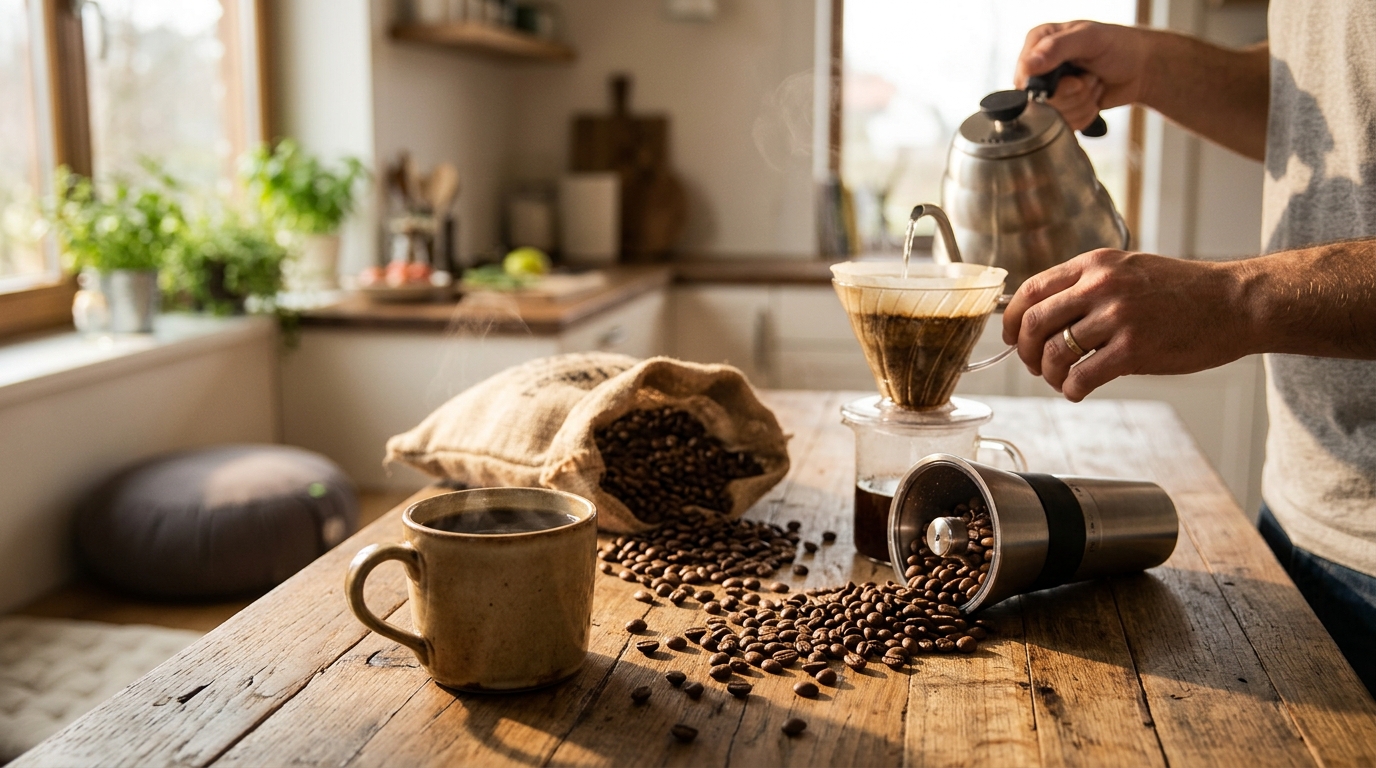
Most coffee drinkers unknowingly sacrifice up to 60% of their beverage's potential flavor profile by purchasing pre-ground options. When coffee beans are ground, the surface area exposed to oxygen increases exponentially, triggering rapid oxidation that degrades volatile aromatic compounds within minutes. This chemical breakdown is the primary reason why many commercial coffees taste flat, stale, or overly bitter compared to their fresh counterparts. Understanding the science behind whole bean coffee is essential for anyone seeking to elevate their daily ritual from a mere caffeine fix to a high-performance functional experience.
The Science of Freshness and Oxidation
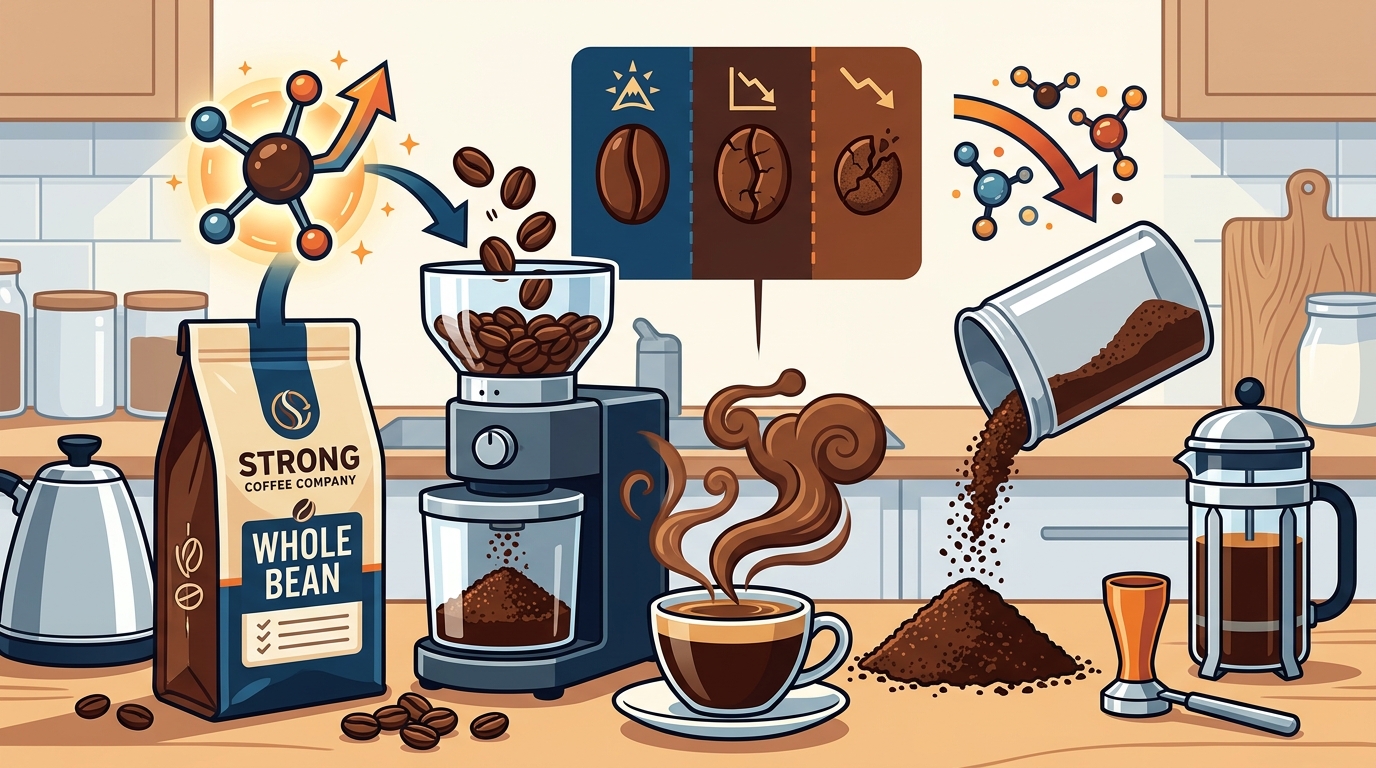
The primary benefit of buying whole bean coffee is the preservation of freshness. Coffee beans are essentially seeds that contain hundreds of aromatic compounds. Once roasted, these beans begin to degas, releasing carbon dioxide and stabilizing their flavor. However, grinding the beans accelerates this process dramatically. According to industry data, ground coffee loses its freshness up to 60 times faster than whole beans. This is because the internal oils and sugars that create the coffee's body and sweetness are exposed to air immediately upon grinding.
When you purchase whole bean coffee, you retain control over the moment of extraction. This ensures that the volatile aromatics reach your nose and palate at their peak intensity. The difference is not merely subjective; it is a measurable chemical reality. Freshly ground coffee retains higher levels of chlorogenic acids, which are antioxidants linked to various health benefits. By grinding your coffee just before brewing, you maximize the bioavailability of these compounds.
Furthermore, whole beans allow for better storage. When kept in an airtight container away from light and heat, whole beans can maintain their optimal flavor for several weeks. Pre-ground coffee, having already begun its degradation process, offers little protection against environmental factors. This is why many specialty roasters emphasize the importance of buying whole beans to ensure the consumer receives the product exactly as the roaster intended.
Unlocking Complex Flavor Profiles
One of the most significant advantages of whole bean coffee is the ability to experience its full spectrum of flavor notes. Coffee is one of the most complex agricultural products, with flavor profiles influenced by soil, altitude, processing method, and roast level. When beans are ground too finely or too coarsely for a specific brewing method, the extraction becomes uneven. This leads to a cup that is either under-extracted (sour and weak) or over-extracted (bitter and astringent).
By grinding your own beans, you can tailor the grind size to your specific brewing equipment. Whether you are using a French press, a pour-over, or an espresso machine, adjusting the grind ensures optimal extraction. This precision allows you to highlight specific notes such as chocolate, fruit, or floral undertones that are often lost in mass-produced pre-ground coffee. For those interested in the functional aspects of coffee, STRONG Coffee offers whole bean options that are roasted to preserve these delicate flavors while maintaining high caffeine content.
The ritual of grinding coffee also adds a sensory dimension to the morning routine. The aroma released during grinding is a critical part of the coffee experience, triggering anticipation and enhancing the perceived taste. This sensory engagement can transform a mundane task into a mindful practice. Many coffee enthusiasts argue that the effort required to grind beans is rewarded by a significantly more satisfying and nuanced cup of coffee.
Health Advantages of Fresh Roasts
Beyond flavor, whole bean coffee offers distinct health benefits related to freshness and chemical integrity. Coffee is rich in antioxidants, particularly chlorogenic acid, which has been studied for its potential anti-inflammatory and metabolic benefits. However, these compounds are sensitive to oxidation. When coffee is ground and left exposed to air, these antioxidants degrade rapidly. Studies suggest that the antioxidant capacity of coffee can drop significantly within hours of grinding.
Additionally, the freshness of the bean affects the concentration of beneficial lipids. Coffee contains natural oils that carry flavor and contribute to the mouthfeel of the brew. These oils are also carriers for various bioactive compounds. When beans are pre-ground, these oils can go rancid over time, leading to off-flavors and potentially reducing the health benefits. Freshly ground coffee ensures that these oils are intact and fresh, providing a cleaner and more potent health profile.
For performance-driven individuals, the consistency of caffeine delivery is also crucial. Whole beans allow for precise measurement of coffee mass, ensuring that each cup contains a consistent amount of caffeine. This is particularly important for those using coffee as a functional tool for focus and energy. Functional coffee trends highlight the importance of knowing exactly what you are consuming, which is easier to achieve with whole beans than with pre-ground blends that may vary in density and strength.
Whole Bean vs. Pre-Ground: A Comparison
To understand the value of whole bean coffee, it is helpful to compare it directly with pre-ground alternatives. The following table outlines the key differences in terms of freshness, flavor, health, and convenience.
| Feature | Whole Bean Coffee | Pre-Ground Coffee |
|---|---|---|
| Freshness | High; retains aromatics for weeks when stored properly. | Low; begins degrading immediately after grinding. |
| Flavor Complexity | High; allows for precise grind size and extraction control. | Low; often results in flat or bitter flavors. |
| Antioxidant Retention | High; minimizes oxidation of chlorogenic acids. | Variable; significant loss due to air exposure. |
| Convenience | Requires a grinder and extra step. | High; ready to brew immediately. |
| Cost Efficiency | Often lower cost per cup due to less waste. | Often higher markup for convenience. |
While pre-ground coffee offers convenience, the trade-off in quality is substantial. For those who prioritize taste and health, the extra minute required to grind beans is a worthwhile investment. Moreover, many modern grinders are designed for speed and ease, making the process seamless for busy individuals. The accessories available from STRONG Coffee, including high-quality grinders and frothers, are designed to make this process efficient and enjoyable.
Key Takeaways
- Freshness Preservation: Whole beans retain freshness up to 60 times longer than pre-ground coffee due to reduced oxidation.
- Flavor Control: Grinding your own beans allows for precise extraction, unlocking complex flavor notes lost in mass-produced options.
- Antioxidant Integrity: Freshly ground coffee maintains higher levels of chlorogenic acid, a key antioxidant linked to health benefits.
- Consistent Caffeine: Whole beans enable accurate measurement, ensuring consistent energy delivery for performance-driven users.
- Sensory Experience: The aroma and ritual of grinding enhance the overall coffee experience, making it more mindful and satisfying.
- Cost Efficiency: Buying whole beans is often more cost-effective than purchasing premium pre-ground alternatives.
- Brand Alignment: Premium brands like STRONG Coffee focus on whole bean quality to support functional health goals.
Frequently Asked Questions
How long does whole bean coffee stay fresh?
Whole bean coffee stays fresh for about 2 to 4 weeks after roasting if stored in an airtight container away from light and heat. The peak flavor is typically within the first two weeks.
Do I need a special grinder for whole bean coffee?
While a burr grinder is recommended for consistent results, a blade grinder can also be used. The key is to grind the beans immediately before brewing to maximize freshness.
Is whole bean coffee healthier than pre-ground?
Yes, because it retains more antioxidants and beneficial oils due to reduced oxidation. Pre-ground coffee loses these compounds rapidly after grinding.
Can I use whole bean coffee in a drip coffee maker?
Absolutely. Most drip coffee makers have a basket designed for ground coffee. You simply need to grind the beans to a medium consistency before adding them to the basket.
What is the best way to store whole bean coffee?
Store whole bean coffee in an opaque, airtight container at room temperature. Avoid refrigeration or freezing, as moisture and temperature fluctuations can degrade the beans.
Why does STRONG Coffee focus on whole bean options?
STRONG Coffee focuses on whole bean options to ensure that customers receive the highest quality, freshest product with intact functional ingredients like adaptogens and collagen.
How does grinding affect the taste of coffee?
Grinding exposes the internal oils and aromatics to air. Fresh grinding ensures that these compounds are at their peak, resulting in a richer, more flavorful cup compared to pre-ground coffee.
Start Your Journey with STRONG
Transitioning to whole bean coffee is a simple step that yields significant rewards in flavor, health, and daily performance. By choosing whole bean coffee from STRONG Coffee, you are investing in a product that is roasted with precision and designed for optimal freshness. Explore our collection today and experience the difference that fresh, functional coffee can make in your life.