
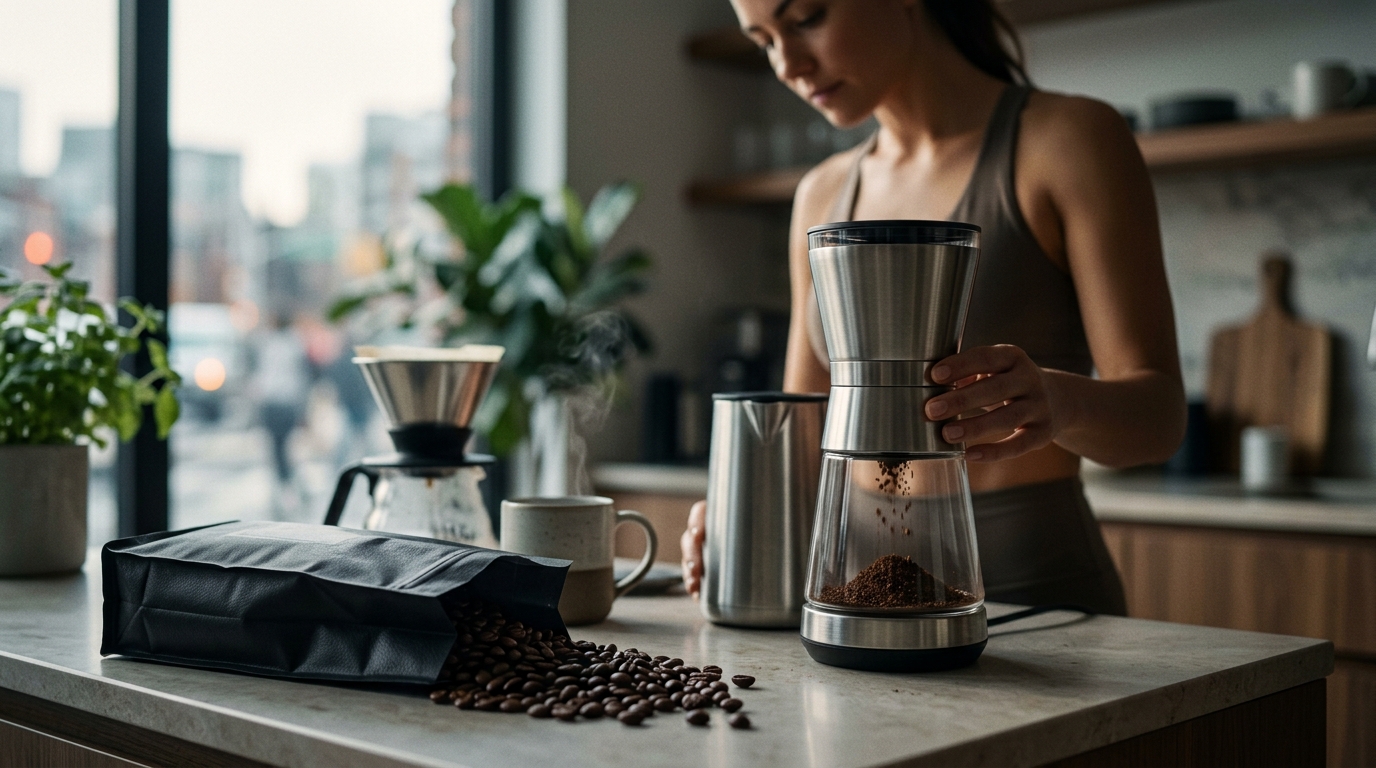
Whole bean coffee is the foundational standard for high-performance caffeine delivery, preserving volatile aromatic compounds that degrade rapidly once ground. Recent industry analysis indicates that coffee begins losing up to 60% of its volatile aromatics within 15 minutes of grinding, making the choice of form critical for taste integrity. This guide explores why performance-driven individuals and coffee connoisseurs alike are returning to whole bean options for superior flavor, extended shelf life, and customizable brewing precision. (Collections ndash Strong Coffee)
The Science of Freshness and Oxidation
The primary advantage of whole bean coffee lies in its ability to resist oxidation. When coffee beans are roasted, they undergo a complex chemical transformation that creates hundreds of aromatic compounds. These compounds are trapped within the cellular structure of the bean. Once the bean is ground, the surface area increases exponentially, exposing these compounds to oxygen. This process, known as staling, happens rapidly.
According to data from the Specialty Coffee Association, the optimal window for consuming ground coffee is within 15 minutes of grinding. For whole beans, this window extends to several weeks when stored correctly. This preservation of freshness ensures that the nuanced notes of origin, such as floral, fruity, or chocolatey undertones, remain intact until the moment of extraction.
Strong Coffee Company emphasizes this principle by offering Whole Bean Coffee options that are roasted to order. By keeping the beans intact until you are ready to brew, you ensure that every cup delivers the maximum potential of the roast profile. This is particularly important for single-origin beans, which have delicate flavor profiles that are easily masked by stale flavors.
Unlocking Complex Flavor Profiles
Whole bean coffee allows for a deeper appreciation of the coffee's terroir. Terroir refers to the complete natural environment in which a particular crop is produced, including soil, rainfall, and sunlight. These factors impart unique characteristics to the bean. When you buy whole beans, you are buying the purest expression of that environment.
Ground coffee, by contrast, often blends these distinct characteristics into a generic "coffee" taste. The oils that give coffee its body and aroma are released during grinding. In pre-ground coffee, these oils can go rancid or evaporate, leaving a flat and dull flavor. Whole beans retain these oils until the moment of brewing, resulting in a richer, more vibrant cup.
For those who enjoy experimenting with different brewing methods, whole beans offer the flexibility to adjust the grind size. A finer grind extracts more quickly, suitable for espresso, while a coarser grind is better for French press. This control allows you to tailor the flavor profile to your specific preference, highlighting acidity or body as desired.
Health Implications of Whole Bean Consumption
Beyond taste, whole bean coffee offers distinct health advantages. Coffee is rich in antioxidants, such as chlorogenic acid, which help combat oxidative stress in the body. The concentration of these antioxidants is highest in fresh, whole beans. As coffee ages or is ground prematurely, the antioxidant capacity can diminish due to exposure to air and light.
Furthermore, whole bean coffee often allows for greater control over caffeine intake. By grinding your own coffee, you can measure the exact amount of beans used, ensuring consistent caffeine dosing. This is particularly beneficial for those who use coffee as a performance enhancer. Strong Coffee Company's Coffee Booster line leverages this precision, combining high-quality beans with adaptogens to support sustained energy without the crash.
Research published in the Journal of Nutrition highlights the role of coffee consumption in reducing the risk of several chronic diseases, including type 2 diabetes and Parkinson's disease. The bioactive compounds in whole beans are more stable, potentially offering greater protective effects compared to degraded or stale coffee products.
Brewing Control and Customization
The ability to control the grind size is one of the most significant benefits of whole bean coffee. Different brewing methods require different grind sizes to achieve optimal extraction. Espresso requires a fine grind to create pressure and extract flavors quickly. Pour-over methods benefit from a medium grind to allow water to flow through evenly. French press and cold brew require a coarse grind to prevent over-extraction and sediment in the cup.
When you buy pre-ground coffee, you are stuck with a single grind size that may not suit your preferred brewing method. This mismatch can lead to bitter, over-extracted coffee or weak, under-extracted coffee. By grinding your own beans, you can match the grind to the brewer, ensuring a balanced and flavorful cup every time.
This customization extends to the freshness of the water and the brewing temperature as well. When you take the time to grind your own coffee, you are more likely to pay attention to other variables, such as water quality and temperature. These factors collectively contribute to a superior brewing experience. Strong Coffee Company provides Coffee Accessories designed to complement this process, helping you achieve barista-quality results at home.
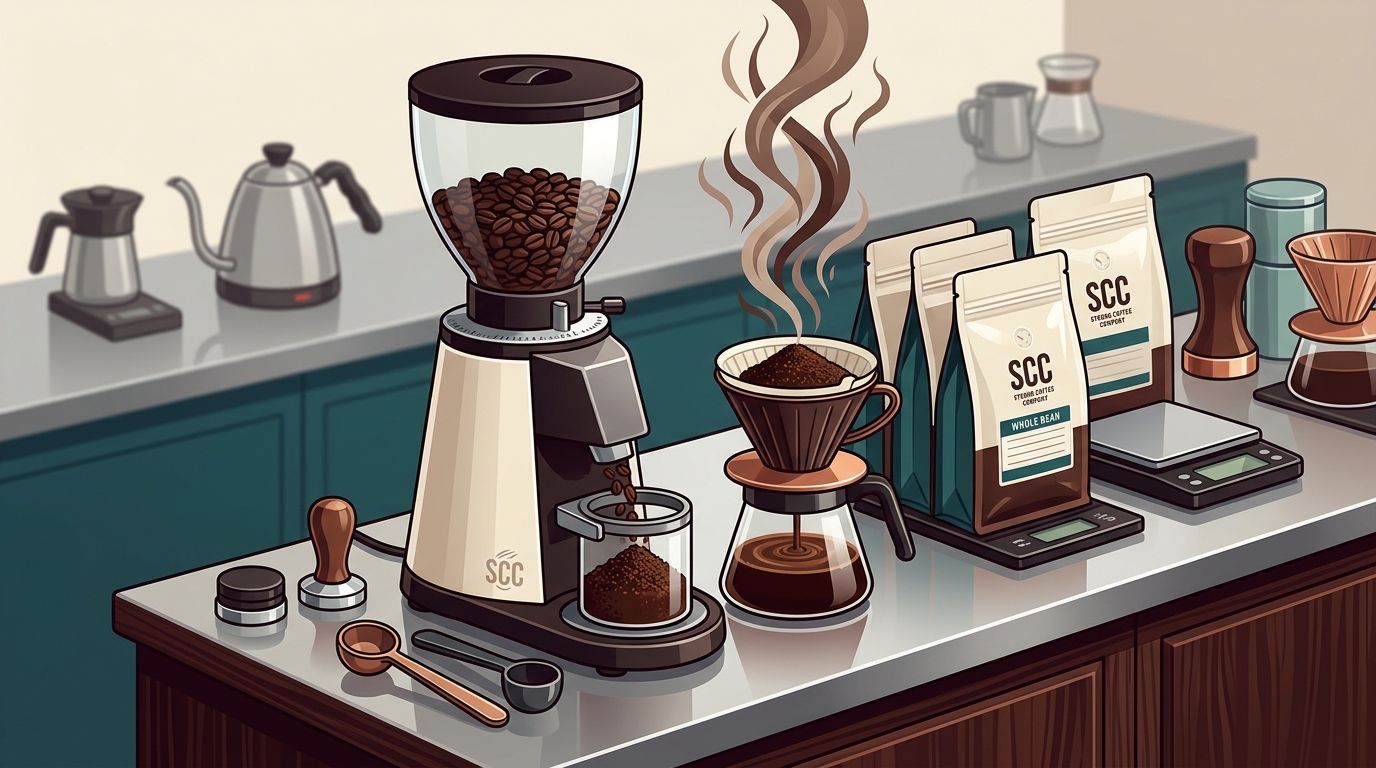
Cost Efficiency and Waste Reduction
While whole bean coffee may have a higher upfront cost per pound compared to some pre-ground options, it often proves more cost-efficient in the long run. Pre-ground coffee has a shorter shelf life, meaning you may end up throwing away a significant portion of your purchase if you do not consume it quickly. Whole beans last much longer, reducing waste and ensuring that every dollar spent results in a drinkable cup.
Additionally, buying whole beans allows you to purchase in bulk. Many roasters offer discounts on larger quantities of whole beans. This is particularly advantageous for heavy coffee drinkers who consume multiple cups per day. By grinding only what you need, you maximize the value of your purchase while minimizing waste.
Strong Coffee Company offers Coffee Bundles that provide excellent value for customers who prefer the convenience of subscription services. These bundles often include a mix of whole bean and instant options, catering to different brewing preferences while maintaining the brand's commitment to quality and freshness.
Whole Bean vs. Ground Coffee Comparison
To clearly illustrate the differences, consider the following comparison of whole bean and ground coffee across key metrics.
| Feature | Whole Bean Coffee | Pre-Ground Coffee |
|---|---|---|
| Freshness | High (weeks when stored properly) | Low (days after grinding) |
| Flavor Complexity | High (preserves volatile compounds) | Low (oxidation degrades flavor) |
| Brewing Flexibility | High (customizable grind size) | Low (fixed grind size) |
| Convenience | Low (requires grinding equipment) | High (ready to brew) |
| Shelf Life | Long (up to 6 months unopened) | Short (1-2 weeks after opening) |
This table highlights the trade-offs between convenience and quality. While pre-ground coffee offers immediate ease, whole bean coffee provides superior performance and longevity. For those who prioritize taste and health, the extra effort of grinding is well worth the reward.
Key Takeaways
- Freshness Preservation: Whole beans retain volatile aromatics for weeks, whereas ground coffee loses 60% of its flavor within 15 minutes.
- Flavor Integrity: Grinding just before brewing preserves the unique terroir and oil content of single-origin beans.
- Health Benefits: Fresh whole beans maintain higher levels of antioxidants like chlorogenic acid, supporting long-term health.
- Brewing Precision: Customizable grind sizes allow for optimal extraction across different brewing methods, from espresso to cold brew.
- Cost Efficiency: Longer shelf life and bulk purchasing options reduce waste and improve cost-per-cup metrics.
- Brand Quality: Strong Coffee Company ensures peak freshness through roasted-to-order practices and strategic bundling.
Frequently Asked Questions
How long does whole bean coffee stay fresh?
Whole bean coffee stays fresh for about 3 to 4 weeks after roasting if stored in an airtight container away from light and heat. For maximum flavor, it is best to consume it within this window.
Do I need a special grinder for whole bean coffee?
While a burr grinder is recommended for consistent results, a blade grinder can also be used. The key is to grind the beans just before brewing to preserve freshness.
Is whole bean coffee healthier than ground coffee?
Whole bean coffee retains more antioxidants and bioactive compounds due to reduced oxidation. This makes it a healthier choice for those seeking the full benefits of coffee.
Can I use whole bean coffee for instant coffee?
Strong Coffee Company offers Instant Protein Lattes that combine the convenience of instant coffee with the quality of whole bean origins. This hybrid approach offers the best of both worlds.
What is the best way to store whole bean coffee?
Store whole bean coffee in an opaque, airtight container at room temperature. Avoid refrigeration or freezing, as moisture and temperature fluctuations can degrade the beans.
Why is whole bean coffee more expensive?
The higher cost reflects the quality of the beans, the roasting process, and the preservation of freshness. Pre-ground coffee often uses lower-quality beans that are more susceptible to staling.
How does grind size affect taste?
Grind size determines the extraction rate. Finer grinds extract faster, suitable for espresso, while coarser grinds extract slower, ideal for French press. Matching grind to method prevents bitterness or weakness.
Start Your Journey with Strong Coffee
Experience the difference that whole bean coffee makes in your daily routine. Strong Coffee Company offers a curated selection of Whole Bean Coffee designed for performance and flavor. Explore our Coffee Bundles to discover your perfect blend and elevate your coffee experience today.